Plot No. 347, Street No. 15, Block 3, B.Y.J.C.H.S., Bahadurabad, Karachi-75400, Pakistan

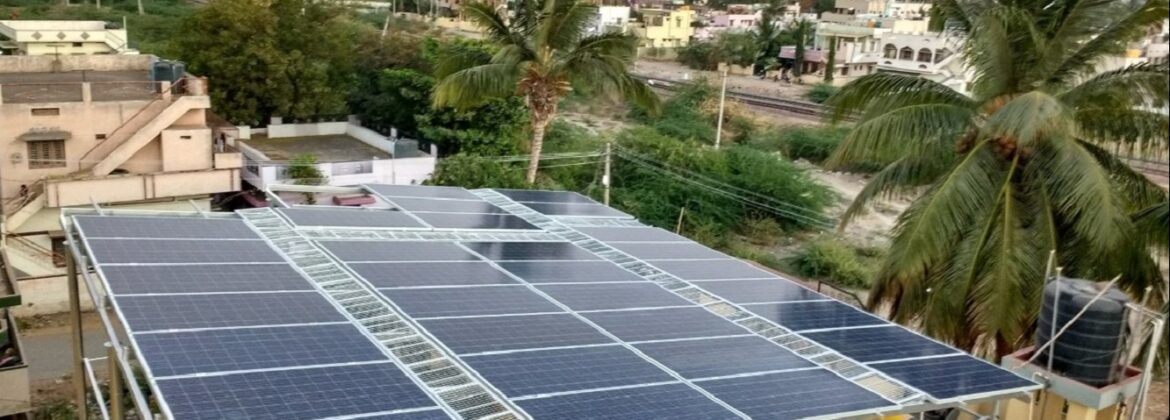
Solar energy is one of the fastest-growing renewable energy solutions, helping homes and businesses save on electricity bills and reduce carbon emissions. But when choosing a solar power system, one key decision is whether you should go for an on-grid solar system or an off-grid solar system. Understanding the differences, pros, and cons of each can help you make the right choice for your energy needs.
An on-grid solar system (also called grid-tied solar) is connected to your local utility electricity grid. The solar panels generate electricity from sunlight, and your home or business uses this power first. If your system produces more energy than you need, the extra electricity is sent back to the grid — often earning you bill credits under net metering.
Best for: Homes and businesses in areas with reliable grid electricity that want to reduce monthly bills and earn credits from excess energy.
An off-grid solar system works completely independently of the electricity grid. It uses solar panels + battery storage (and optionally a backup generator) to store energy so you can use solar power day and night — even when the grid has power cuts or is unavailable.
Best for: Remote homes, farms, off-grid communities, or anyone seeking complete energy freedom.
| Feature | On-Grid Solar | Off-Grid Solar |
| Grid Connection | Yes | No |
| Battery Required | Optional | Required |
| Upfront Cost | Lower | Higher |
| Net Metering | Yes | No |
| Power During Outages | No (unless hybrid) | Yes |
| Best Use | Urban / Grid Areas | Remote / No Grid |
✔ On-Grid systems are usually more cost-effective and great for lowering electricity bills, especially with net metering benefits.
✔ Off-Grid systems give you full independence and are great where grid power isn’t reliable or available.
Many people also choose hybrid solar systems — these combine on-grid solar with battery backup. That means you can reduce your electricity bills and get power during outages. This option gives flexibility for cities with frequent load shedding or power stability issues.
Here are some key points to consider:
For most urban users with stable grid access, an on-grid solar system offers the best balance of cost and performance. For remote sites or total energy independence, an off-grid solar system may be right. If you want both savings and backup power, a hybrid setup is often the ideal option.
Sustainable Energies Enterprise (SEE) is a leading solar and renewable energy company based in Karachi, Pakistan. SEE provides turnkey solar solutions for residential, commercial, industrial, and agricultural clients — including on-grid solar systems, off-grid solar installations, and hybrid solar setups.
Their services include:
With over a decade of experience, SEE helps clients lower electricity bills, reduce carbon emissions, and achieve energy independence using clean, sustainable solar power.
1. Which solar system saves more money — on-grid or off-grid?
On-grid solar systems usually have a lower initial cost and can reduce electricity bills significantly through net metering, making them more cost-effective for many urban homes.
2. Do off-grid solar systems work at night?
Yes — off-grid systems use battery storage to store excess solar energy during the day and use it at night or during cloudy weather.
3. What if my grid keeps failing often?
If your area has frequent power outages, a hybrid system (on-grid + battery backup) or an off-grid system might give you the most reliable power.
4. Can I upgrade from on-grid to off-grid later?
Yes, many solar systems are designed to be upgradeable. You can add batteries and switch to hybrid or off-grid setups later.
5. Is solar power reliable in places with low sunlight?
Solar panels still produce electricity on cloudy days, but energy output is higher in sunny regions. Batteries help supply power when generation is low.
Leave a Comment